


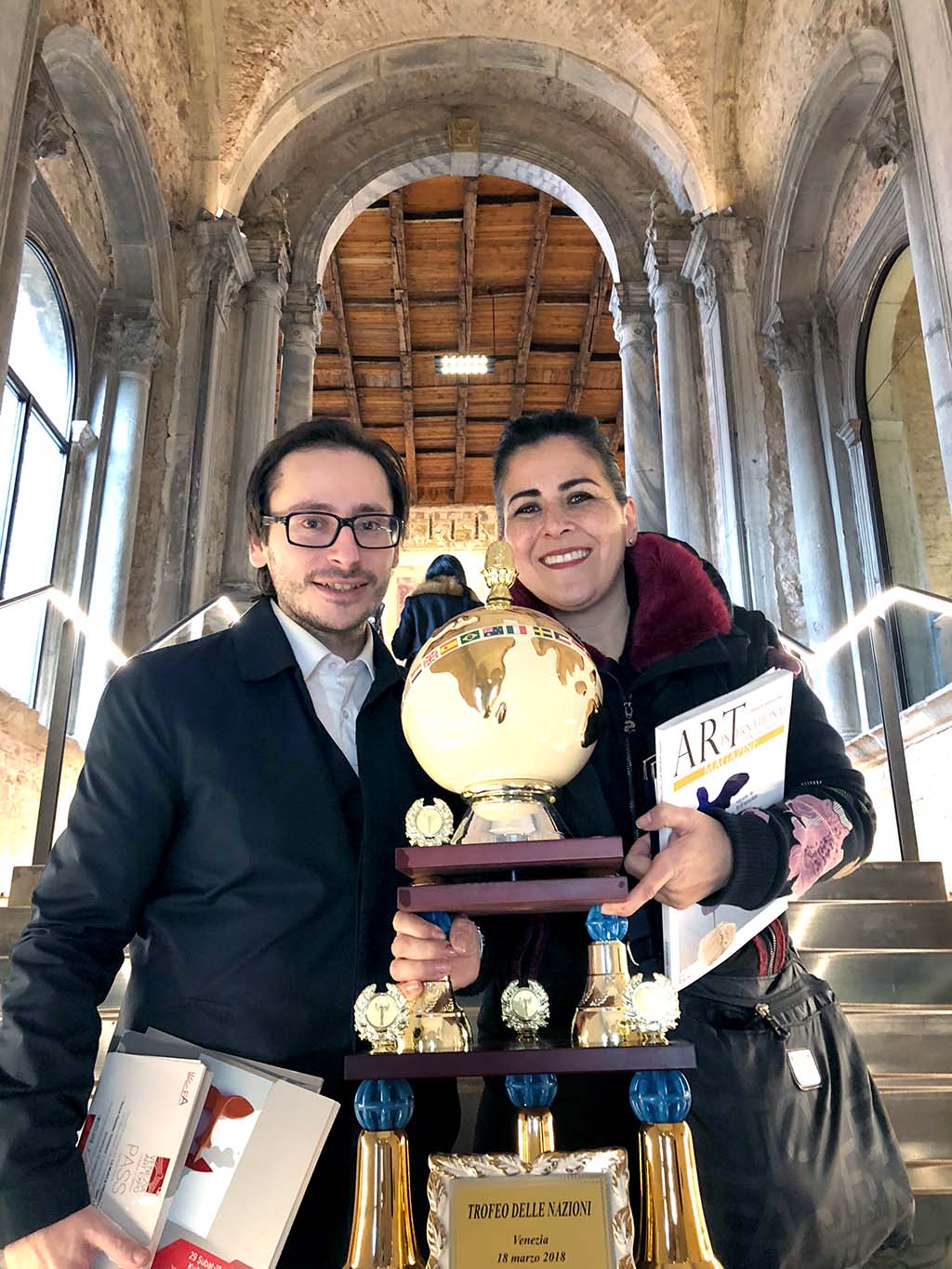
In March 2018, Karla de Lara achieved one of the most significant international recognitions of her career by receiving first place at the Biennale of Nations, held at the historic Scuola Grande di Santa Maria della Misericordia in Venice, Italy. The distinction was awarded among more than 500 artists from around the world, establishing the Mexican artist as one of the most prominent contemporary voices within the international art circuit.
Venice: a historic stage for art
Few cities in the world possess a relationship with art as profound as Venice. From the Renaissance to the present day, the city has served as a meeting point for artists, collectors, and curators. Cultural events such as the Venice Biennale, founded in 1895, have reinforced its status as one of the global capitals of contemporary art.
Within this cultural landscape, the Biennale of Nations functions as an international platform bringing together artists from diverse disciplines and artistic traditions. The venue itself, the Scuola Grande di Santa Maria della Misericordia, adds historical depth to the exhibition. Built in the sixteenth century, the monumental structure stands as one of Venice’s most impressive architectural landmarks and a significant site within the city’s cultural heritage.
Recognition of a powerful visual language
The jury distinguished the work presented by Karla de Lara for its visual intensity and its ability to merge the technical precision of hyperrealism with a contemporary aesthetic influenced by pop art.
Her artistic language explores themes of identity, emotion, and perception, elements that have come to define her work and that have led critics to consider her one of the leading figures of contemporary hyperrealist pop art.
Mexico on the international stage
Receiving first place at the Biennale represented not only an individual achievement but also a moment of visibility for Mexican contemporary art within a global context.
“Venice is a city where every stone breathes history. Receiving this recognition here carries a powerful symbolic meaning, because it shows that our artistic voice can converse with centuries of cultural tradition.”
Karla de Lara
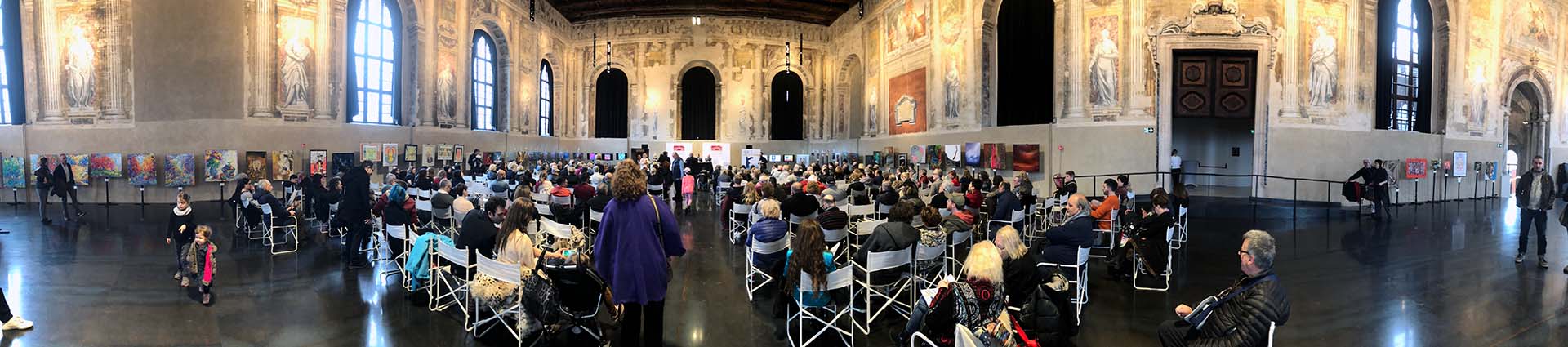
A turning point in her international career
The recognition in Venice marked a turning point in Karla de Lara’s international trajectory. The award strengthened her presence in the European art circuit and reaffirmed her position as an artist capable of bridging traditional painting and contemporary sensibilities.
In a city that has witnessed some of the most important chapters in the history of Western art, this distinction stands as a symbol of continuity between the past and the evolving present of artistic expression.